What is Sexual Harm?
There are many different kinds of sexual harm, and they are not always committed by strangers – in fact, in New Zealand most people know the person who harmed them. We’ve put some of the most common forms of sexual harm in the drop-down menu below.
Please use caution: The information below uses specific language about sexual harm and could be upsetting. Please feel free to skip this page if you need to, or come back to it when you feel it’s safe for you to do so.
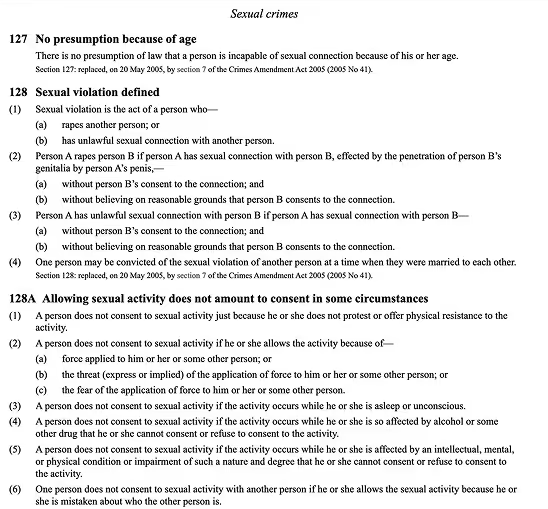
In Aotearoa, NewZealand, rape is defined as someone penetrating another person’s vagina, anus or mouth with a penis without that person’s consent. It’s a serious offense and is specific to male and female genders.
It is also defined as rape, when a person removes a condom during sex without the other person’s permission (known as “stealthing”)
Sexual assault (often called unlawful sexual connection under the law) refers to any sexual activity which happens without consent, such as:
· Unwanted touching
· Unwanted kissing
· Pressuring or manipulating someone into performing a sexual act
· Attempted rape
· Touching someone’s clothes in a sexual manner, for example, lifting someone’s skirt.
Sexual assault also includes causing a person to engage in sexual activity without their consent, for example:
· Making someone masturbate or touch themselves sexually
· Making someone touch someone else or be touched by someone else without their consent
· Making someone engage in sexual activity without their consent.
It is important to remember that sexual assault is a broad term. Just because something isn’t included here does not mean it isn’t sexual assault.
Tika lawyers can help if you’re not sure how to define what happened to you.
Sexual harassment includes a wide range of behaviors. Examples of this might be:
· Physical contact that is unwanted for example, brushing up against someone
· Staring or using suggestive looks, for example, looking someone up and down
· Sexual ‘jokes’
· Unwanted sexual advances
· Sending messages with unwanted sexual context
· Unwanted sexual requests
· Sexual comments or noises, for example, wolf-whistling or catcalling
· Sexual or suggestive comments
· Sexual gestures (hand or body movements)
· Intrusive questions about a person’s private or sex life
· Commenting on someone’s body or appearance
· Spreading sexual rumours about someone
· Stalking
· Indecent exposure, known as ‘flashing’, whether in person or online
· Taking a photo or a video under another person’s clothing, known as ‘upskirting’
These can happen in person, over the phone or by messaging, or online, and it includes any unwanted sexual behaviour that makes someone feel intimidated, offended, scared or humiliated.
Sexual harm often happens in online spaces, and in New Zealand these offenses are covered under parts of the Crimes Act, the Harmful Digital Communications Act and the Human Rights Act. Some examples of these are:
· Sharing or posting intimate pictures or videos without your consent (posting, forwarding, or uploading to porn sites / group chats).
· Sextortion: blackmail using intimate images/videos (demanding money, more images, or sex acts)
· Sending nudes which you haven’t consented to receiving.
· Sexualised harassment via DMs/comments (persistent sexual messages, degrading sexual abuse, targeted humiliation).
· Covert sexual recording (filming/photographing someone without their knowledge or consent and sharing it online.)
Sexual abuse is when an adult (or older child) coerces a child into any kind of sexual activity or situation. It’s an abuse of trust and is never OK. It includes sexual exploitation, when a child is encouraged or forced to take part in sexual activity in exchange for something, like attention, money, or presents.
Sex trafficking is a form of modern slavery, when a person or people are moved one place to another and exploited against their will. That could be forcing a survivor to perform non-consensual or sexual acts, such as prostitution, escorting, or pornography.
What is consent?
The law in New Zealand does not say what consent is for sexual activity, but it gives clear descriptions of what it’s not.
You are not consenting if you:
- Are too young (under 16 years old)
- Are asleep or unconscious
- Are affected by alcohol or drugs
- Have been given drugs without your knowledge (drink spiking)
- Are being pressured, manipulated, threatened, or tricked
- Are being coerced by force
- Are unable to make a choice for any other reason, like a physical, mental or intellectual condition which prevents you from giving consent
- Are mistaken about the kind of sexual activity (for example, if you agreed to sex using a condom and the other person takes the condom off)
Just because you did not scream, or physically or verbally protest at the time does not mean you consented.
How to support someone that discloses to you
Telling someone about the sexual harm you’ve experienced isn’t easy – and if you’re the person a friend, colleague or whānau member has chosen to tell, that can also feel challenging.
Your reaction could determine what steps they decide to take next. This may sound like a lot of responsibility, but it doesn’t need to be difficult if you follow a few simple guidelines.
Show empathy: Express your concern and let them know that you are there to support them. Thank them for trusting you with this information.
Listen without judgement: Provide a safe space and listen closely, without
interrupting or offering advice (unless they ask for it!)
Make them a priority: Make sure their immediate safety and well-being are
taken care of. They might need help getting medical care or
counselling - and you as the first responder are in a unique position to help.
Commit to confidentiality: Reassure the person that you will keep the information they’ve shared to yourself unless they give you permission to involve others.
- "I'm really sorry this happened to you. Thank you for trusting me
enough to share." - "It takes a lot of courage to speak up, and I believe you. Is there any
support you need?" - "You're not alone in this. I'm here, and we can navigate this
together. - "Is there anyone else you trust that you would feel comfortable talking
to about this?" - "Is there anything I can do to support you right now?"
- "Remember, it's not your fault. The responsibility lies with the person
who hurt you." - "You deserve healing and support. Take your time, and I'll be here to help”